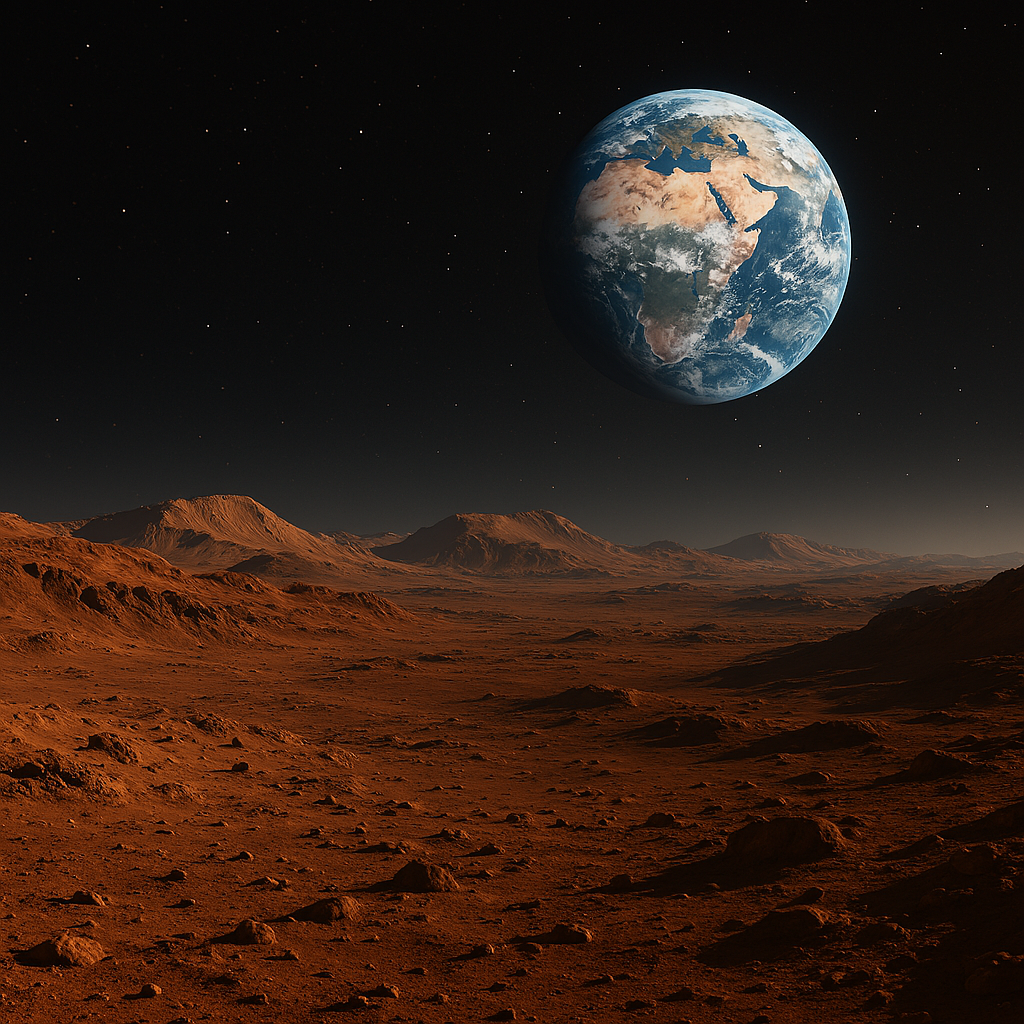
The Limits of Anthropocentric Assumptions in the Search for Extraterrestrial Life
The extraordinary biodiversity found on Earth—millions of species emerging from a single planetary environment—raises a compelling question about the broader universe: is it reasonable to assume that such a phenomenon occurred only once? The notion that life has never arisen elsewhere becomes increasingly untenable when viewed against the sheer scale and diversity of life on this planet alone.
Conventional frameworks such as the “Goldilocks Zone” hypothesis are inherently limited because they define habitability exclusively in terms of conditions known to support terrestrial life. This perspective is fundamentally anthropocentric. It presumes that life elsewhere must conform to the same biochemical and environmental constraints observed on Earth, despite the fact that our understanding is based on a single data point. With only one known example of life-bearing conditions, any universal claims about the requirements for life are scientifically premature.
It is entirely plausible that life beyond Earth could be based on radically different chemistries, environmental pressures, or energetic processes—possibilities that remain outside our current conceptual models. The potential diversity of extraterrestrial life may be so unlike terrestrial organisms that our existing criteria for habitability fail to capture it.
Given the vastness of the universe and the evolutionary richness demonstrated on Earth, it is statistically improbable that life emerged here and nowhere else. The more reasonable inference is that life, in some form, has likely arisen multiple times under conditions that may or may not resemble those found on our planet.